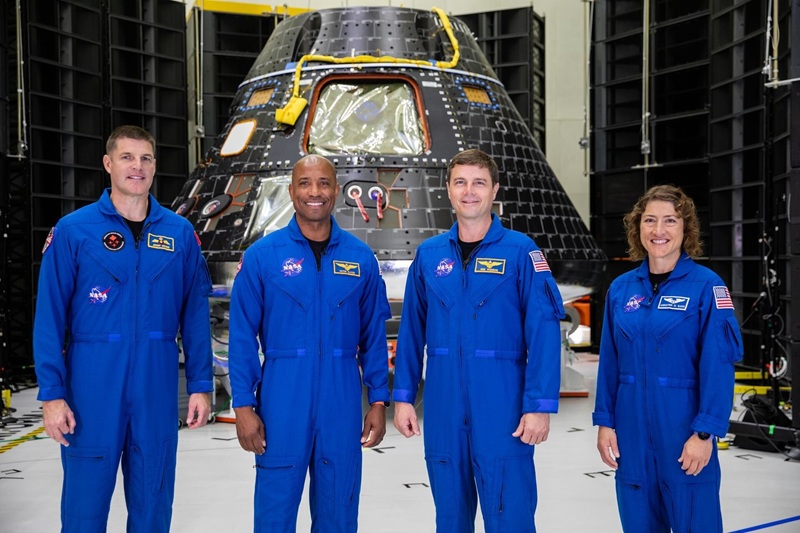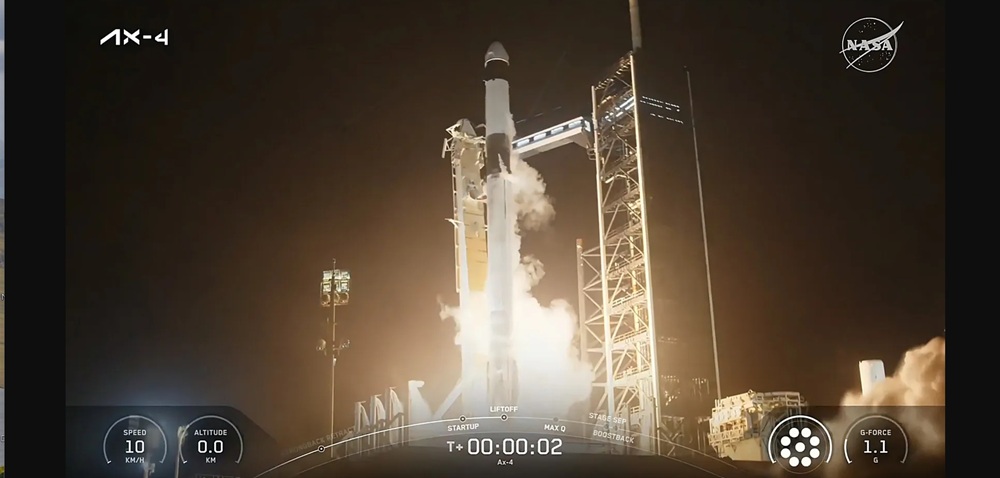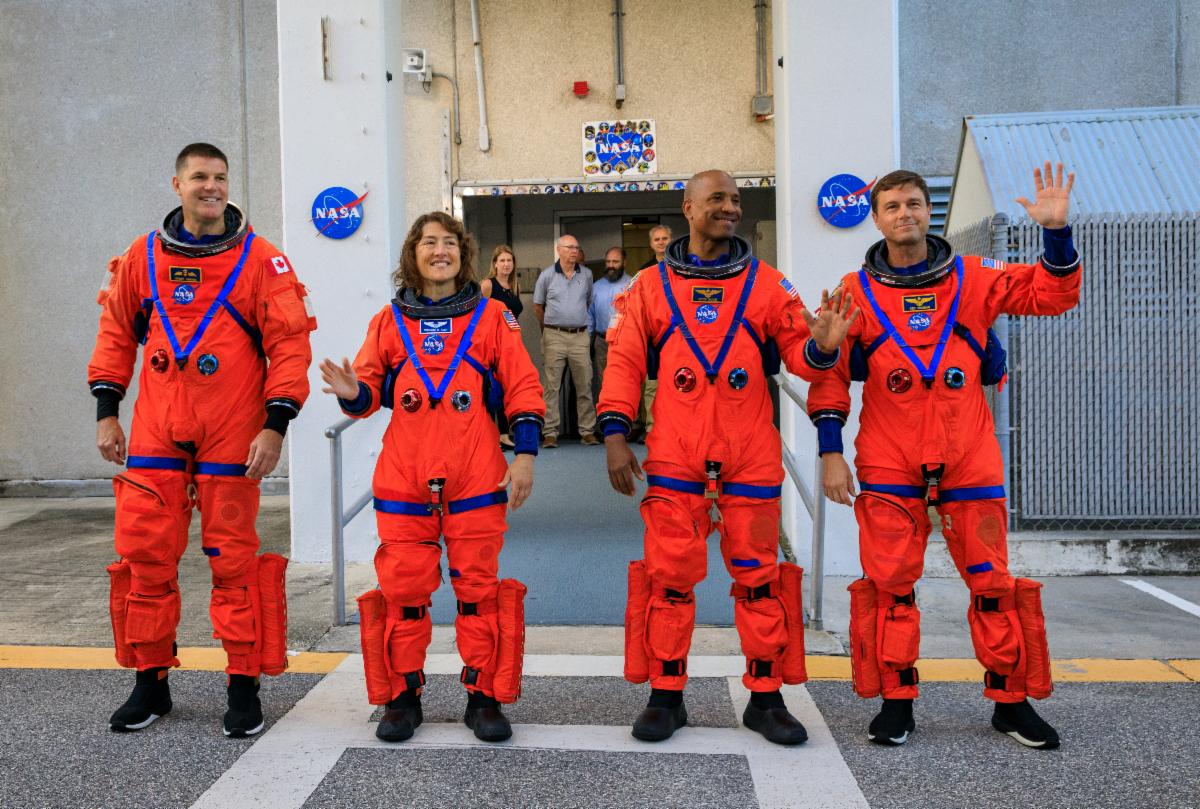
As NASA counts down to the April 1, 2026, launch of Artemis II from Kennedy Space Center’s Launch Complex 39B, the world anticipates the first crewed voyage beyond low Earth orbit in over 50 years. This 10-day mission aboard the Space Launch System (SLS) rocket and Orion spacecraft will send four astronauts—Commander Reid Wiseman, Pilot Victor Glover, Mission Specialists Christina Koch and Jeremy Hansen—on a free-return lunar flyby, testing deep-space systems for future Moon landings and Mars journeys.
The SLS Block 1, standing taller than the Statue of Liberty, will hurl Orion toward a trajectory peaking 4,700 miles beyond the Moon’s far side, farther than any humans have ventured. Recent setbacks, including a February 2026 helium flow issue in the upper stage and prior hydrogen leaks during wet dress rehearsals, pushed the date from February but affirmed readiness after fixes.
Mission Milestones
Artemis II revives lunar exploration post-Apollo 17 in 1972, validating Orion’s life support, navigation, and reentry at 25,000 mph into the Pacific near San Diego. Unlike Apollo 8’s orbit, this free-return path uses the Moon’s gravity for a slingshot home, with trajectory corrections and proximity ops against the discarded ICPS upper stage.
Crew checkouts in high Earth orbit will test water dispensers, toilets, and exercise gear before translunar injection. Science includes optical comms at 260 Mbps via O2O system, radiation studies with AVATAR tissue analogs, ARCHAR wearables for sleep and immunity, and five international CubeSats from Germany, Argentina, Korea, and Saudi Arabia probing space weather and shielding.
A steeper reentry avoids heat shield charring seen in uncrewed Artemis I, prioritizing safety amid debates from engineers. Success paves Artemis III’s 2027 landing.
The Trailblazing Crew
This quartet embodies diversity: first woman (Koch), person of color (Glover), non-American (Hansen), and four in deep space simultaneously, surpassing Apollo 8’s trio.
Reid Wiseman, 50, commands as NASA’s first lunar skipper since Gene Cernan. A U.S. Navy Captain selected in 2009, he logged 165 days on ISS Expedition 41 in 2014, serving as chief astronaut 2020-2022. Personal loss—wife Carroll’s 2020 passing—fuels his drive: “It’s all I think about.”
Victor Glover, 47, pilots Orion. Navy Captain and 2013 selectee, he piloted SpaceX Crew-1 to ISS for 168 days in 2020-21, becoming first Black astronaut for extended station stay. From California’s Pomona, Glover dreamed of shuttles as a child.
Christina Koch, mission specialist, shattered records with 328 days on ISS in 2019-20, first woman for a yearlong flight. Electrical engineer and 2013 astronaut, she’ll pioneer as first woman beyond LEO.
Jeremy Hansen, CSA specialist, marks Canada’s lunar debut. From Ontario, this fighter pilot (CF-18) holds space science BS, physics MS; selected 2009, he’s trained in caves and underwater sans spaceflight.
Backups Andre Douglas (NASA) and Jenni Gibbons (CSA) stand ready.
Rigorous Training Path
At Johnson Space Center, the crew honed skills in Orion simulators, Beta Dome, and mockups, simulating malfunctions, spacewalks, and team dynamics. Quarantine began mid-March 2026; they’ve shared moon mascot antics and 80% favorable weather forecasts.
Stress tests mimic deep-space isolation, radiation, and microgravity, with saliva samples tracking immunity. Glover leads proximity demos; Hansen aids science ops.
Historic Firsts and Legacy
Artemis II shatters barriers: Glover first Black lunar traveler, Koch first woman, Hansen first Canadian/foreigner. At ~400,000 km out, it edges Apollo 13’s distance record.
International ties via Artemis Accords shine, with CubeSats fostering collaboration. Public outreach flew names on SD cards; menus spotlight space cuisine.
As countdown ticks—first window 6:24 pm EDT April 1—these explorers eye Earth’s blue marble from lunar vistas, inspiring generations. Artemis II isn’t just a flyby; it’s humanity’s next giant leap, bridging Apollo’s past to sustainable lunar bases and Mars horizons.