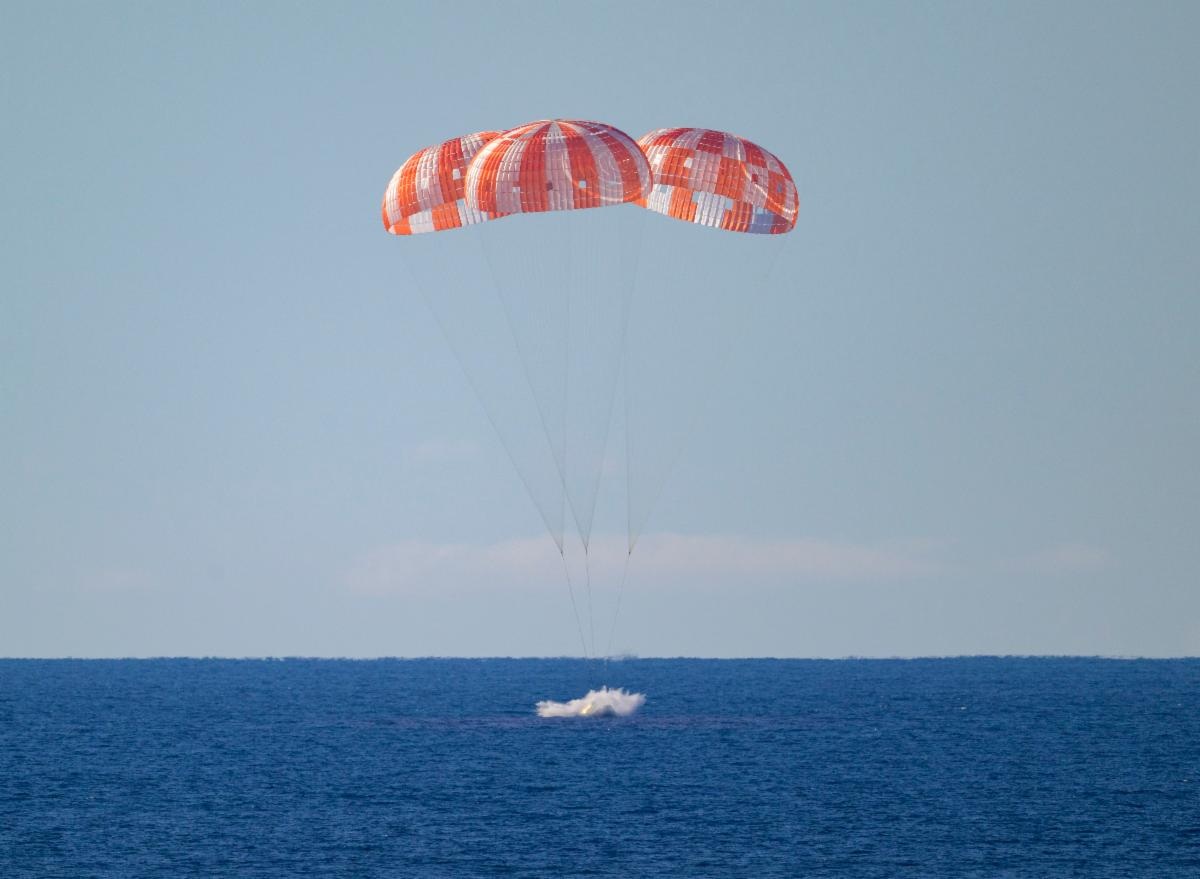
In a splashdown that echoed the triumphs of Apollo but forged a path all its own, NASA’s Artemis II crew returned to Earth on Friday, capping the first human lunar mission in 53 years with a record-shattering voyage. At 5:07 p.m. PDT, the Orion spacecraft—christened Integrity by its intrepid occupants—touched down gently in the Pacific Ocean off San Diego, 252,756 miles from home at its farthest reach. Astronauts Reid Wiseman, Victor Glover, and Christina Koch of NASA, alongside Canadian Space Agency’s Jeremy Hansen, had flown 694,481 miles over nearly 10 days, eclipsing Apollo 13’s 1970 distance record and proving humanity’s deep-space chops are sharper than ever.
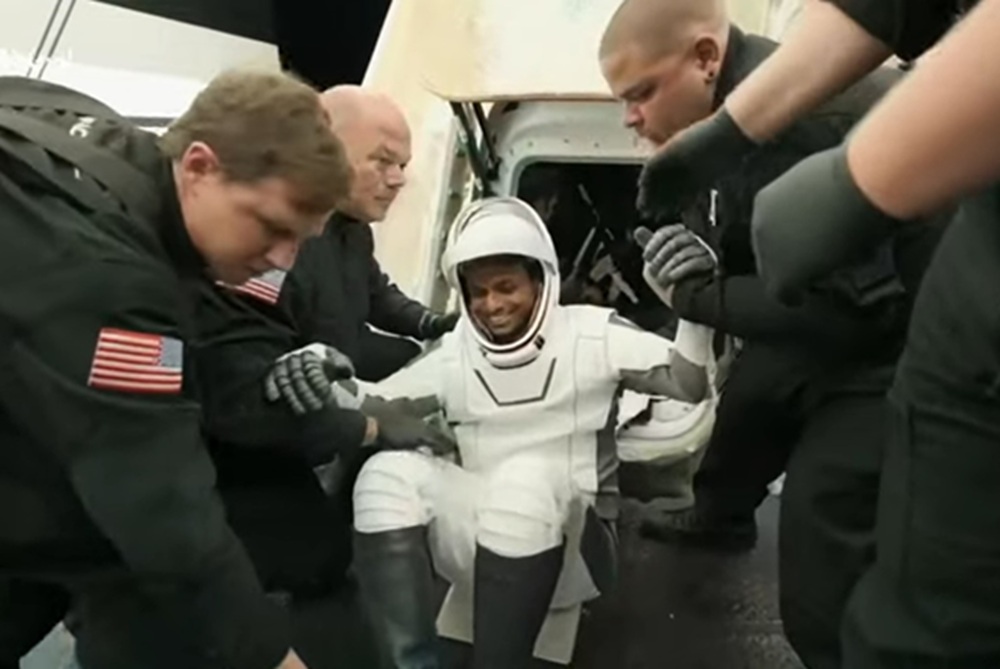
The crew’s homecoming unfolded like a well-rehearsed symphony of modern spaceflight. A joint NASA-U.S. military team swiftly extracted the astronauts from the bobbing capsule in open water, whisking them by helicopter to the USS John P. Murtha for medical checks. By Saturday, April 11, they were en route to NASA’s Johnson Space Center in Houston, where debriefs and celebrations awaited. “Reid, Victor, Christina, and Jeremy, welcome home,” beamed NASA Administrator Jared Isaacman in a statement laced with gratitude. He credited President Donald Trump and Congress for the mandate and funding, hailing the crew’s “extraordinary skill, courage, and dedication” in pushing the Space Launch System (SLS) rocket and Orion farther than any humans before.
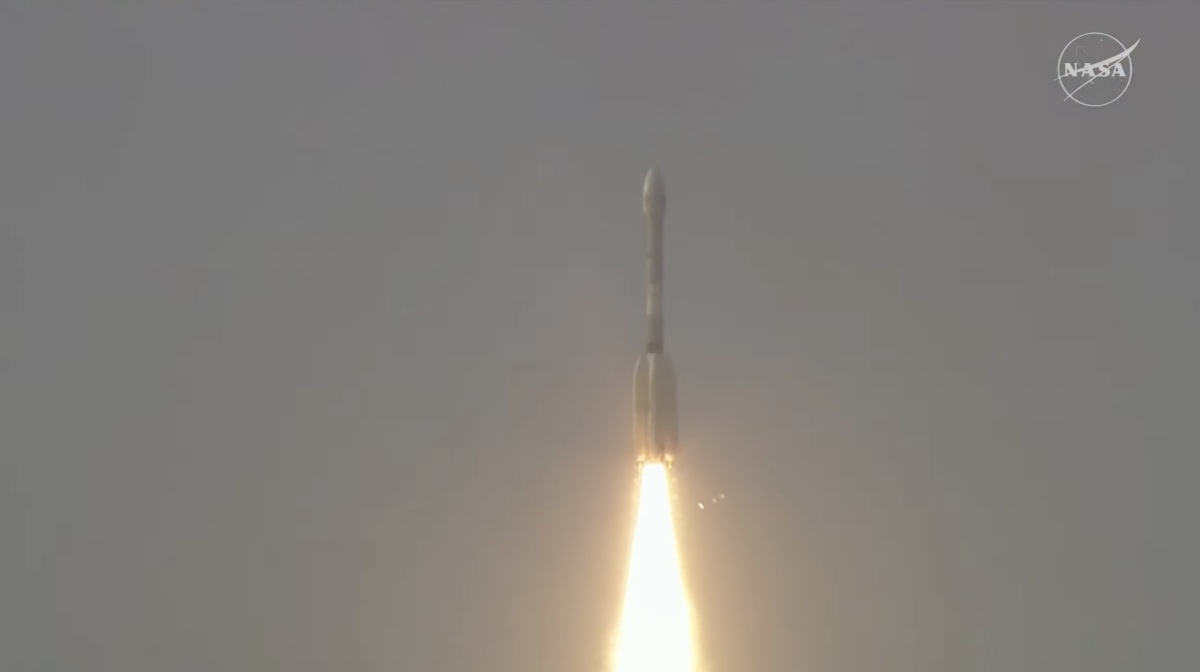
Launched on April 1 from Kennedy Space Center’s Launch Pad 39B, Artemis II roared skyward at 6:35 p.m. with 8.8 million pounds of thrust—a testament to American engineering reborn for the 21st century. The SLS, Orion, and ground teams delivered pinpoint precision, deploying four international CubeSats into Earth orbit on day one. By day two, Orion’s service module ignited, hurtling the crew toward a lunar flyby just 4,067 miles above the cratered surface. “The Artemis II crew is home,” declared Associate Administrator Amit Kshatriya. “This moment belongs to the thousands across 14 countries who built, tested, and trusted this vehicle,” he added, underscoring the global partnership that shielded four lives hurtling at 25,000 mph.
What set Artemis II apart wasn’t just the mileage—it was the exhaustive shakedown of Orion with humans aboard for the first time. The crew rigorously tested life support systems, confirming the spacecraft’s viability for deep-space marathons. Manual piloting demos validated Orion’s handling, gathering data crucial for future docking with human-rated landers on Artemis III. They simulated crew exercise, emergency drills, and spacesuit performance in the Orion crew survival system, ticking every box for lunar returns and beyond. “We put Orion through its paces,” Wiseman later recounted in mission audio, his voice steady amid the void. Glover, the mission pilot with Navy SEAL grit, maneuvered the craft like a fighter jet, while Koch—veteran of Expedition 59—and Hansen, the first Canadian on a lunar trajectory, fine-tuned environmental controls.
Science stole the spotlight during the April 6 flyby, as the crew turned Integrity into a rolling observatory. Over 7,000 images captured earthset and earthrise, impact craters, ancient lava flows, Milky Way vistas, and the lunar terminator’s shadowy drama—conditions mimicking the South Pole’s eternal twilight, targeted for 2028 landings. They documented a solar eclipse from lunar vantage, the Moon eclipsing the Sun in a cosmic ballet, plus meteoroid flashes on the night side. Proposals for naming two craters highlighted crew whimsy amid rigor. Key experiments like AVATAR probed human tissue under microgravity and radiation, yielding health data for Moon bases and Mars treks. These efforts, Hansen noted, “train us to spot science gold on the surface,” priming astronauts for judgment calls in uncharted terrain.
The human element amplified Artemis II’s legacy. Wiseman, mission commander, embodied steady leadership, his New England roots fueling quips that lightened tense moments. Glover broke barriers as a Black astronaut shadowing Neil Armstrong’s path, inspiring diverse youth. Koch, with 328 days in space already, championed women in exploration, her flyby selfies going viral. Hansen brought Canadian precision, bridging U.S.-CSA ties under the Artemis Accords. Together, they embodied a “Golden Age of innovation,” as Isaacman put it, blending grit with global goodwill.
Challenges? None derailed the mission, but risks loomed large. Orion’s heat shield endured reentry inferno at 5,000°F, parachutes deployed flawlessly, and propulsion nailed the trajectory. Post-flight analysis will dissect every datum, refining for Artemis III next year—when Orion tests lander ops in low Earth orbit. The roadmap dazzles: surface landings in 2028, a lunar base, sustained presence, and Mars gateways. “Fifty-three years ago, we left the Moon,” Kshatriya reflected. “This time, we returned to stay. The future is ours to win.”
Crew Profiles: Faces of a New Frontier
Reid Wiseman, 47, commanded with poise honed on ISS Expedition 41. A U.S. Navy captain from Massachusetts, he logged firsts: manual Orion flights and lunar selfies beaming to billions. “We’re not just test pilots; we’re pathfinders,” he radioed Earthside teams.
Victor Glover, 49, piloted with flair. The California native, father of four and SEAL veteran, flew T-38s and dreams big. His flyby evoked Apollo 13’s drama but ended in triumph, his voice crackling: “Earth looks small, but home feels infinite.”
Christina Koch, 43, extended her record. The North Carolina engineer, first woman on a long-duration ISS mission, tested Orion’s habitats. Her eclipse shots, laced with Milky Way backdrops, fused art and science.
Jeremy Hansen, 46, etched Canadian history. An Air Force colonel from Ontario, he marveled at craters: “The Moon’s scars tell Earth’s story.” His AVATAR work eyes astronaut resilience.
Technical Triumphs and Global Stakes
SLS’s debut with crew validated its 95-metric-ton lift capacity, Orion’s solar arrays powered eight days autonomously, and the European Service Module—ESA-built—fired flawlessly. CubeSats from Japan, Europe, and beyond now probe heliophysics, amplifying Artemis’s collaborative ethos.
India watches keenly. With Chandrayaan-3’s 2023 south pole success and NISAR collaboration, Bengaluru’s ISRO eyes Artemis tie-ins. The mission’s imagery could aid rover paths, while AVATAR data informs Gaganyaan’s deep-space prep. “Artemis II isn’t America’s alone,” Isaacman noted. “It’s humanity’s leap.”
Path to Permanence: Artemis III and Beyond
Splashdown shifts gears to Artemis III. Commercial landers from SpaceX and Blue Origin will rendezvous with Orion, testing lunar ops sans surface touch. By 2028, boots hit Shackleton Crater for water ice mining, base building, and helium-3 prospecting. Economic boons beckon: rare earths, tourism, tech spin-offs fueling trillion-dollar markets.
As Wiseman’s team rests in Houston, posterity stirs. Artemis II wasn’t a stunt; it was proof: Humans reclaim deep space. From San Diego’s waves to lunar shadows, four explorers carried billions’ hopes 250,000 miles out—and back. The stars, once distant, now pulse with promise.